 English
 中文简体
中文简体 عربى
عربى Español
آلة الفشار
الشركة المصنعة المحترفة التي تبحث وتطوير وتبيع وبيع آلات حلوى القطن وآلات الفشار وأدوات المطبخ الصغيرة.

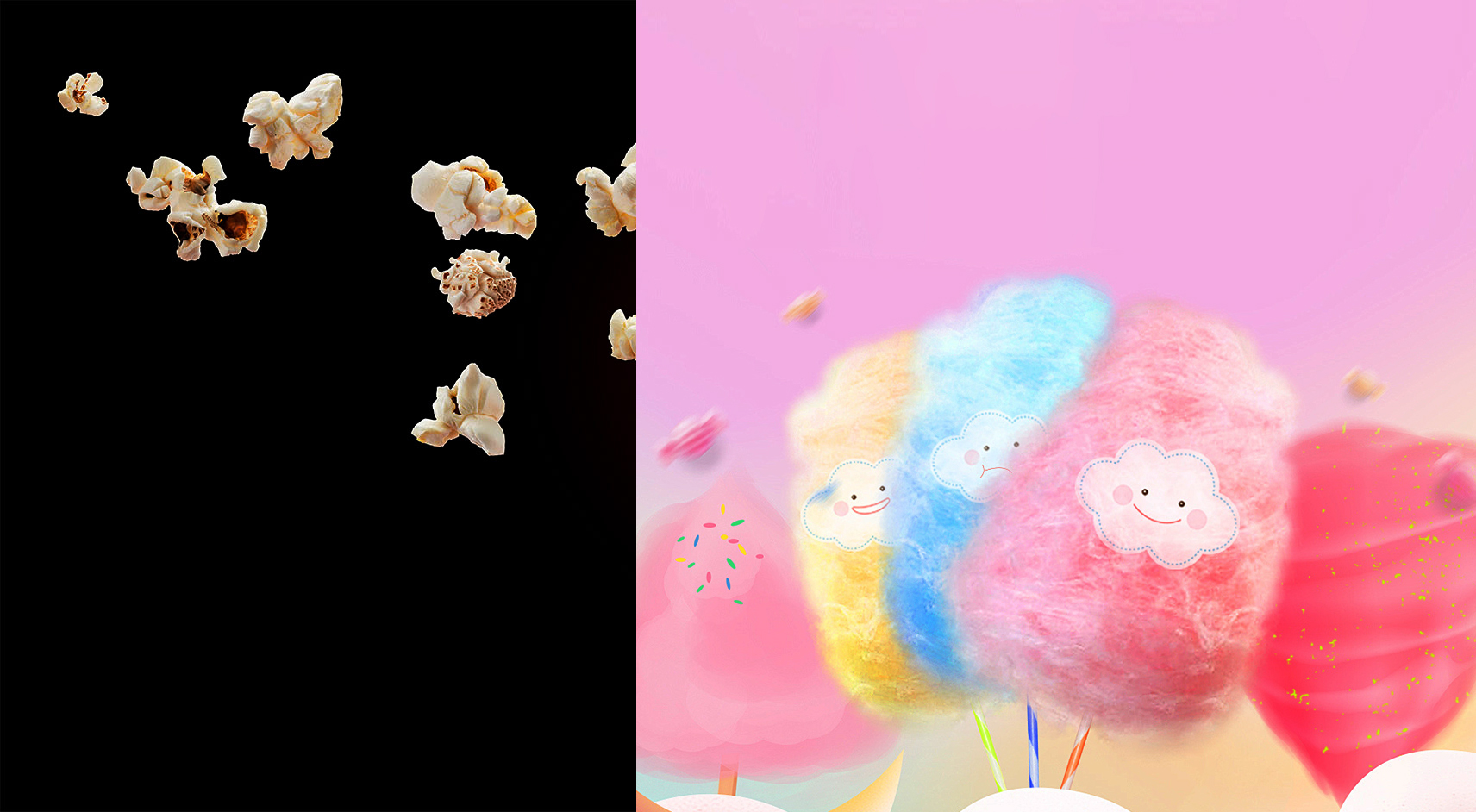



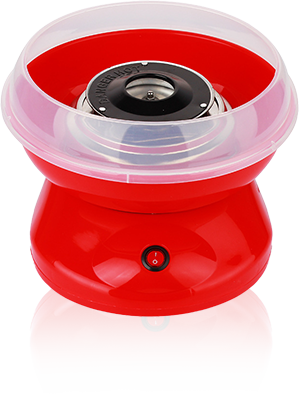

لدينا فريق قوي للبحث والتطوير يمكنه تقديم منتجات وميزات جديدة بشكل مستمر لتلبية طلب السوق.

لدينا مصنع المعالجة الخاص بنا. التشغيل المباشر للمصنع ، حتى نتمكن من توفير الأسعار والمنتجات التفضيلية مباشرة.

عادةً ما نستخدم مواد متينة وآمنة ، وقد خضعت منتجاتنا لعمليات تفتيش واختبارات متعددة ، مع عمر خدمة طويل وآثار غير متغيرة بعد الاستخدام طويل الأجل.


تأسيس في

الإخراج السنوي

عدد الموظفين

منطقة النبات
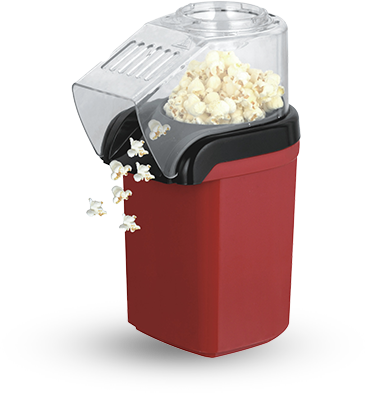
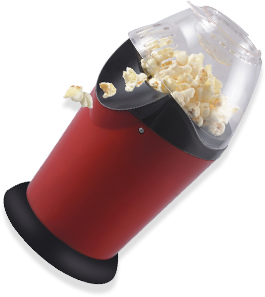
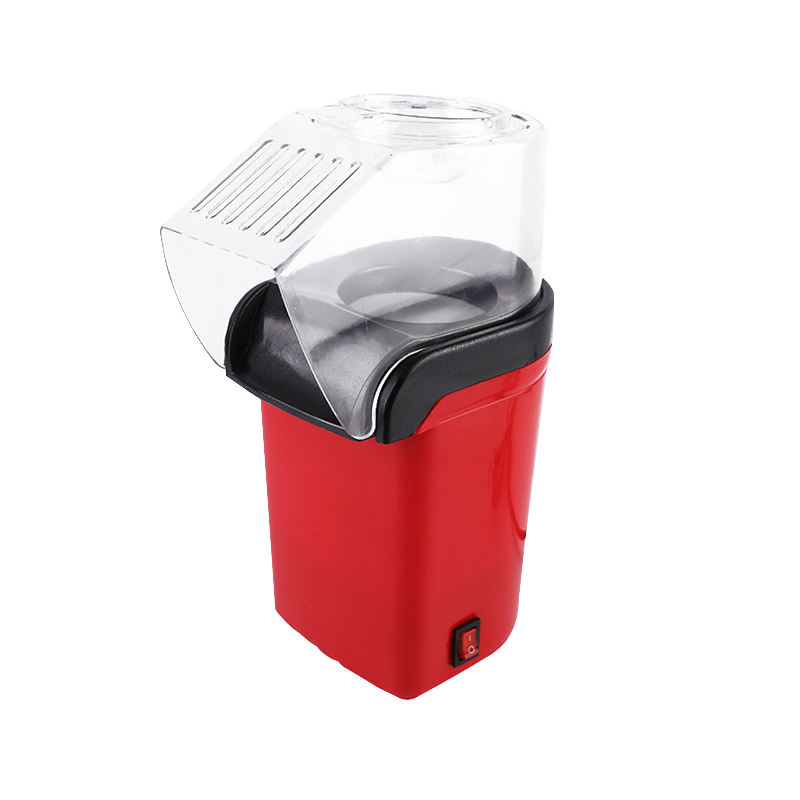
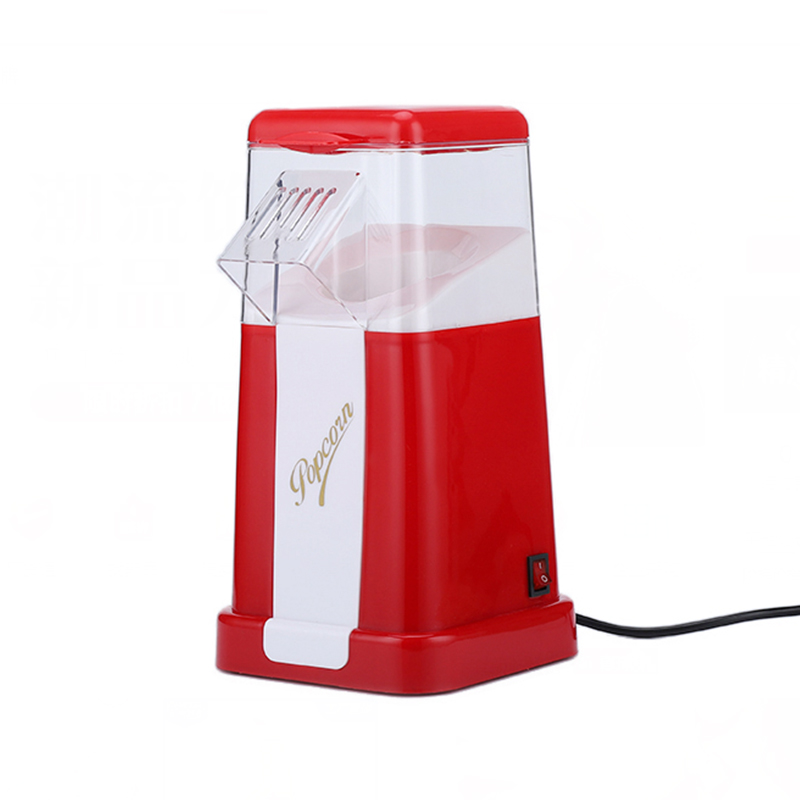
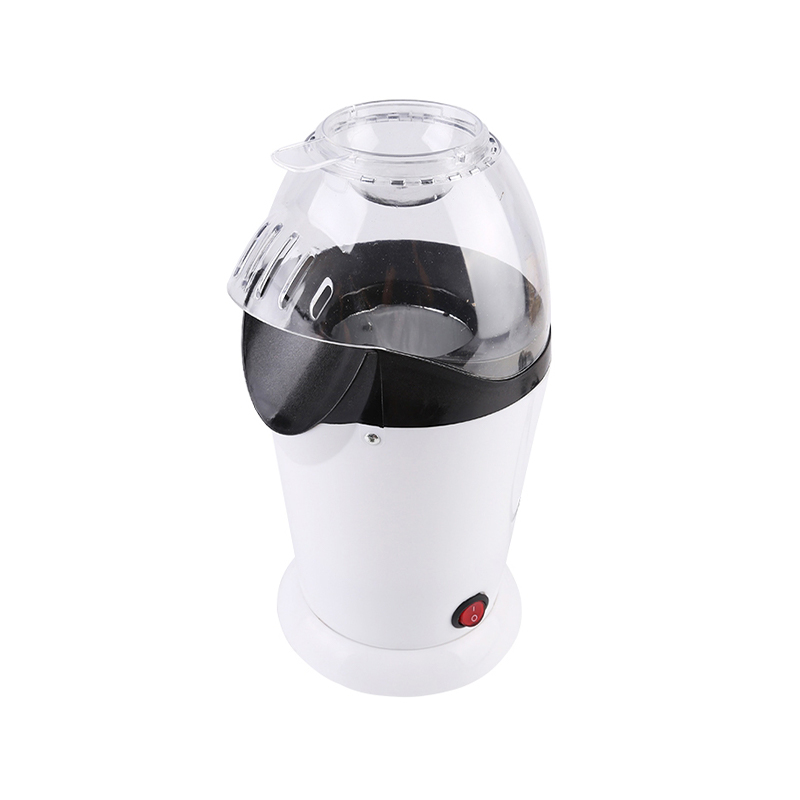
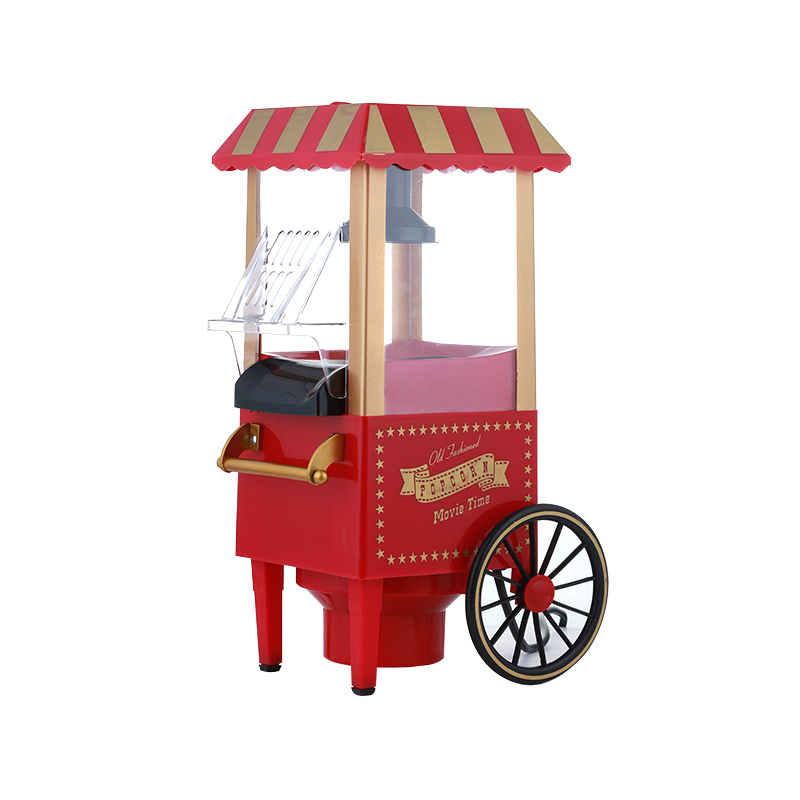
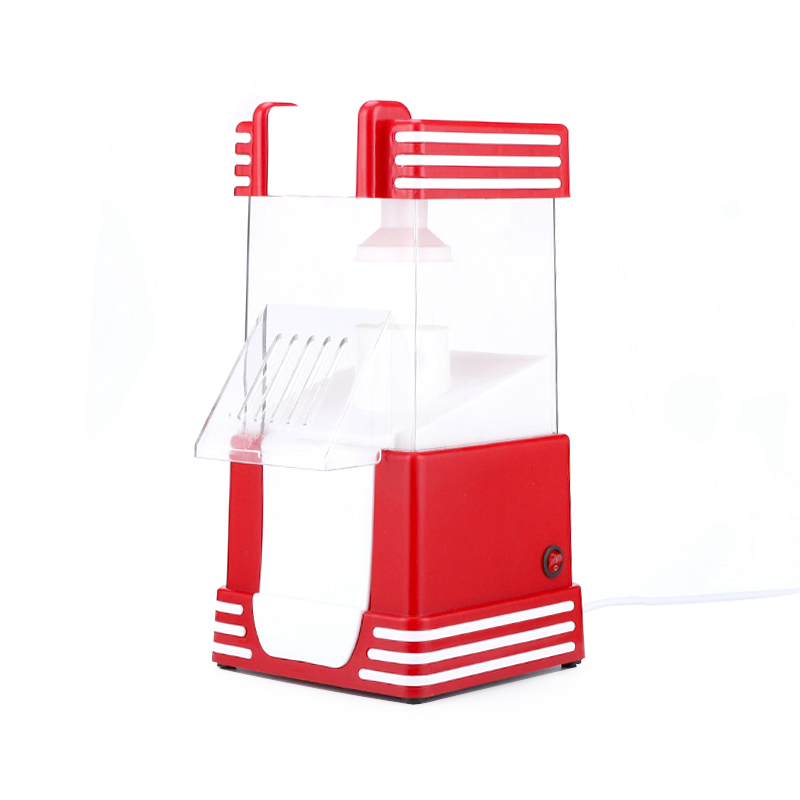
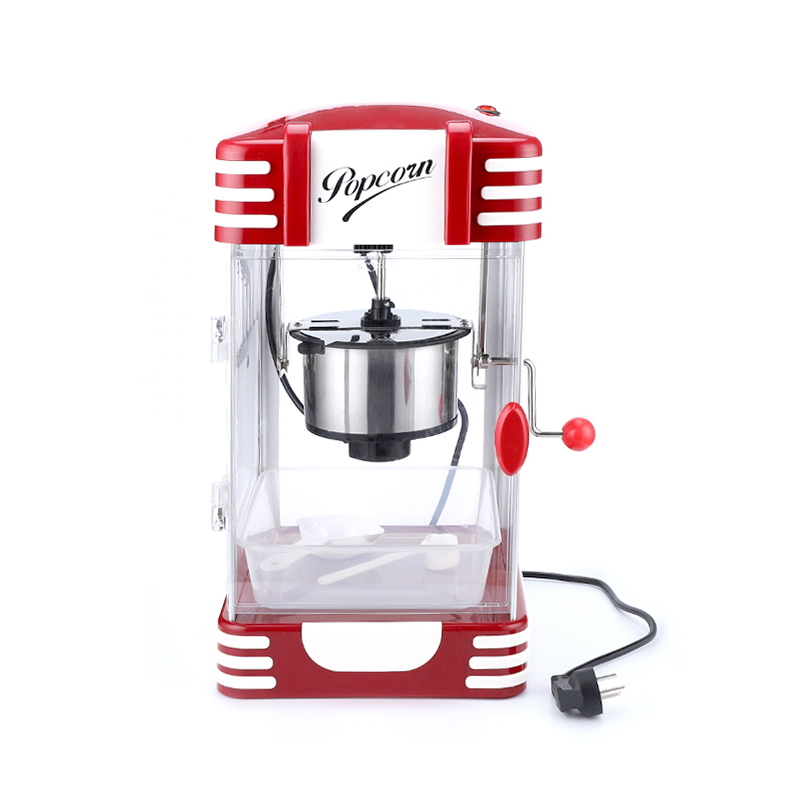
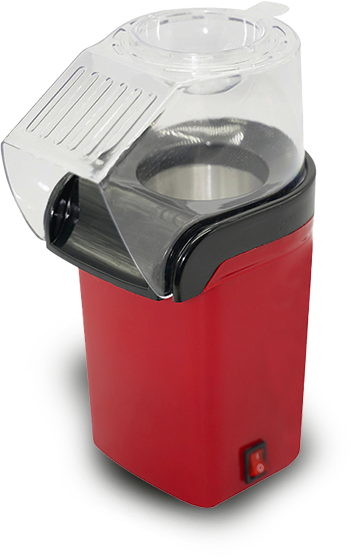
يمنع الوعاء الداخلي غير العصي حبات الذرة من التمسك بالآلة الداخلية ويسهل تنظيفه.


المواد المختارة بعناية. تم فحص مواد المنتج طبقة حسب الطبقة وجديرة بالثقة.

تصميم جديد ، أنماط منتجات جديدة ، أنماط متعددة للاختيار من بينها.

عملية واحدة من الزهور سهلة ومريحة. تجربة متعة جعلها بنفسك.
لجعل منتجاتك تبرز في السوق التنافسية ، نقدم مجموعة واسعة من خيارات التخصيص من المواد إلى التعبئة والتغليف. يتمتع فريق الخبراء لدينا بأكثر من 10 سنوات من الخبرة في الصناعة ويركز على تحويل تصميماتك إلى حقيقة واقعة.
عرض المزيد سؤال
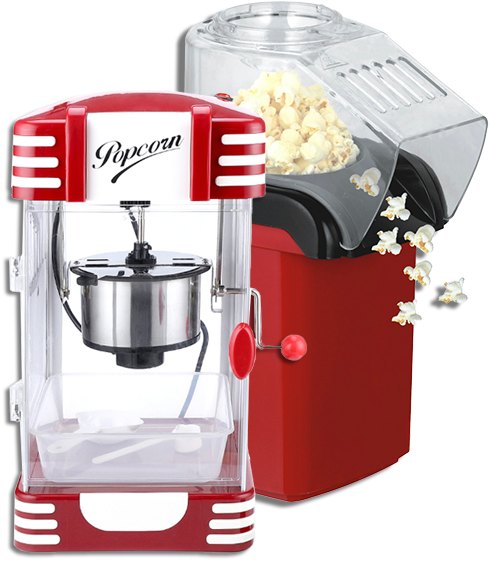
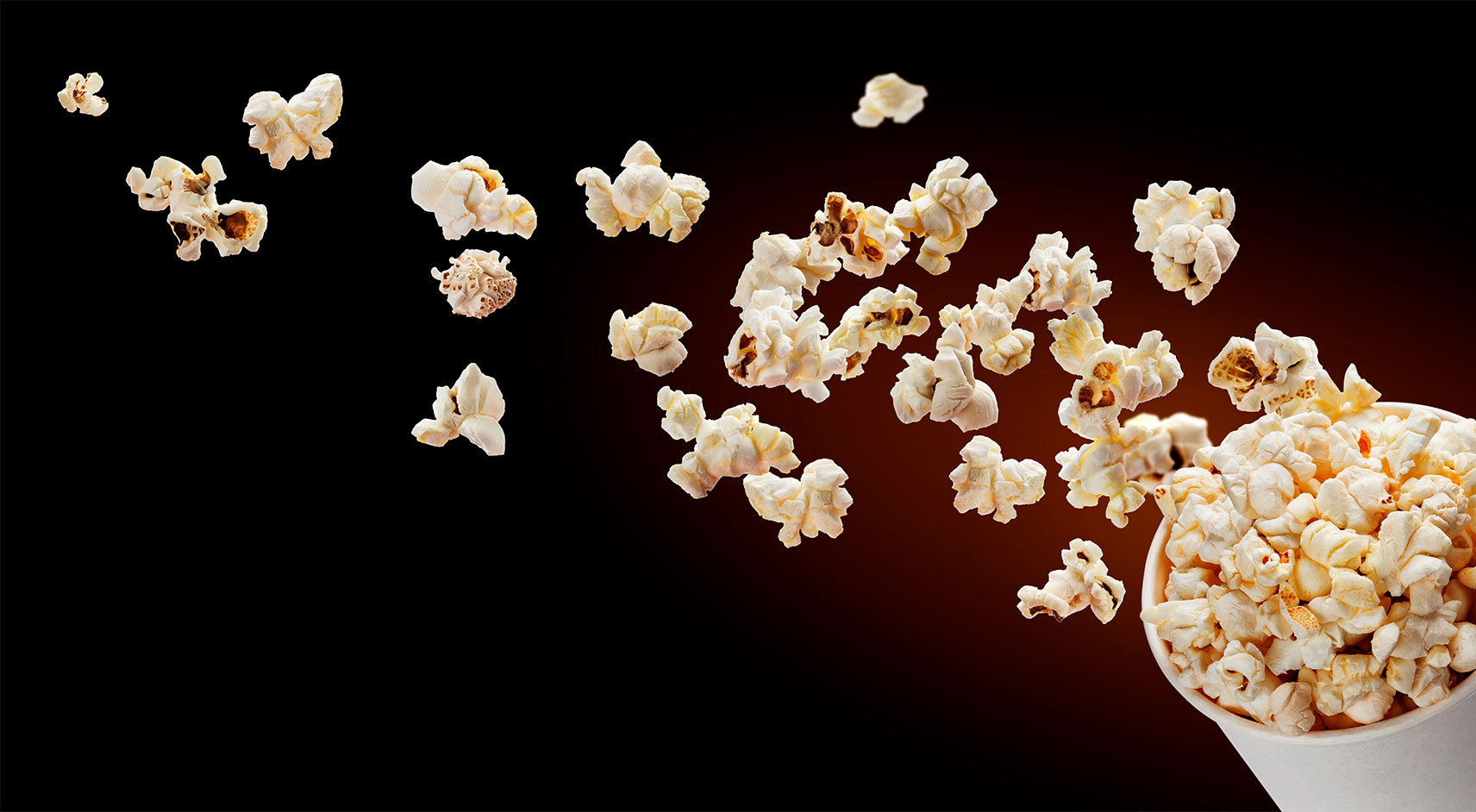
تبدأ كل دفعة من فشار ليلة السينما بنواة تبدو غير واعدة على الإطلاق: صلبة وجافة وبالكاد أكبر من حبة الفلفل. ومع ذلك، يوجد داخل تلك البذرة الصغيرة وعاء ضغط صغير ينتظر اللحظة المناسبة. باعتبارنا شركة مصنعة قامت بتصميم وبناء آلات الفشار منذ عام 2010، فقد تم طرح سؤال واحد علينا أكثر من أي سؤال آخر: كيف تعمل آلة الفشار فعليًا؟ في هذا الدليل، سنرشدك عبر الفيزياء داخل النواة، والهندسة داخل الآلة، والتفاصيل العملية التي تفصل وعاء من الفشار الرقيق عن وعاء من البذور المخيبة للآمال. العلم داخل كل نواة نواة الفشار ليست مثل الحبوب الأخرى. يحتوي كل واحد على ثلاثة أجزاء أساسية: هيكل خارجي صلب مقاوم للرطوبة (الغلاف) يغلق الجزء الداخلي مثل وعاء ضغط صغير نواة نشوية تحتوي على ما يقرب من 14 إلى 15 بالمائة من الماء جرثومة صغيرة، الجزء الحي من البذرة عندما يتم تسخين النواة إلى ما يزيد عن 180 درجة مئوية (355 درجة فهرنهايت)، يتحول الماء الموجود داخل النواة النشوية إلى بخار. نظرًا لأن الهيكل مغلق، لا يمكن لهذا البخار الهروب، ويرتفع الضغط إلى ما يقرب من تسعة أضعاف الضغط الجوي الطبيعي، حوالي 135 رطل لكل بوصة مربعة. تحت هذه الحرارة والضغط المشتركين، يلين النشا ويتحول إلى حالة هلامية منصهرة. عند نقطة الانهيار، ينفجر الهيكل بسبب "الفرقعة" الحادة التي تسمعها. وينخفض الضغط الداخلي على الفور، ويتوسع النشا شديد السخونة ليشكل رغوة يصل حجمها إلى 40 مرة حجمها الأصلي، ويؤدي البخار المتصاعد إلى تضخيمها إلى سحابة بيضاء مألوفة. وفي غضون ثانية أو ثانيتين، تبرد الرغوة وتتماسك. هذا المزيج من الهيكل المقاوم للماء ومحتوى الرطوبة المناسب هو بالضبط سبب عدم ظهور الفشار والحبوب العادية. الهواء الساخن أو الزيت الساخن: طريقتان للآلة للقيام بهذه المهمة كل آلة فشار، بدءًا من أصغر طراز يوضع على المنضدة وحتى عربة السينما، لديها مهمة واحدة: جعل كل نواة تفرقع في درجة الحرارة بسرعة وبشكل متساوٍ. يحل المهندسون هذه المشكلة بطريقتين رئيسيتين. ماكينات صنع الفشار بالهواء الساخن تعمل آلة الهواء الساخن مثل مجفف الشعر الذي يستهدف حفنة من البذور. يقوم عنصر التسخين الموجود في القاعدة بتدفئة الهواء، وتقوم مروحة تعمل بمحرك بدفعه للأعلى عبر حجرة التفرقع عند درجة حرارة تبلغ حوالي 230 درجة مئوية. تتعثر الحبات باستمرار في هذا التيار، لذلك يتم تسخين كل جانب بدلاً من وضع الجانب فقط على السطح. بمجرد أن تنفجر النواة، يحدث شيء ذكي: تزن الذرة الناعمة المفرقعة أقل بكثير من النواة الكثيفة غير المفرقعة، وبالتالي فإن تدفق الهواء يرفعها لأعلى وخارج المزلق بينما تبقى الحبات غير المفرقعة في المنطقة الساخنة لمدة أطول. نظرًا لعدم وجود زيت، فإن هذا التصميم شائع لدى العائلات التي ترغب في تناول وجبة خفيفة خفيفة وتنظيف أسهل. الصحة ماكينة صنع الفشار بالهواء الساخن بدون زيت موديل PM-1208 قابس أوروبي ماكينة صنع الفشار موديل PM-1208 قابس أوروبي 1200 وات 3-5 دقائق مرة واحدة سعة 270 مل بدون زيت شهادة CE/ROHS/LFGB وتقرير الاختبار عرض المنتج → ماكينات صنع الفشار بالزيت والغلاية تتخذ الآلات التي تشبه الغلاية طريقًا أكثر مباشرة: فهي تطبخ الحبوب في الزيت الساخن داخل غلاية أو مقلاة معدنية، عادةً ما تكون من الألومنيوم، والتي تقوم بتوصيل الحرارة بالتساوي عبر كل سطح. ينقل الزيت الحرارة إلى الهيكل بكفاءة، وفي الغلايات الأكبر حجمًا، يحافظ محرك آلي على تحرك الحبات حتى لا يحترق أي شيء. تبقى الذرة المفرقعة في الغلاية حتى تسكبها، ولهذا السبب يقدم هذا النمط النكهة الغنية والكلاسيكية التي يربطها الناس بمسرح السينما. ماكينة صنع الفشار من الألومنيوم باللون الأحمر موديل PM-1200 بقابس أوروبي ماكينة صنع الفشار موديل PM-1200 قابس أوروبي 1200 وات، 3-5 دقائق مرة واحدة سعة 270 مل بدون زيت شهادة CE/ROHS/LFGB وتقرير الاختبار عرض المنتج → إذا كنت تزن التصميمين مقابل بعضهما البعض، مقالتنا حول صناع الفشار بالهواء الساخن والزيت يقارنها من حيث النكهة والصحة والتنظيف. دورة التفرقع، خطوة بخطوة سواء تم تسخين الآلة بالهواء أو الزيت، فإن الدفعة تتبع نفس الإيقاع الأساسي: قم بقياس الجزء الصحيح من الحبوب بالإضافة إلى الزيت إذا كان الموديل الخاص بك من نوع الغلاية. قم بتشغيل الجهاز. يعمل منظم الحرارة على رفع عنصر التسخين أو الغلاية إلى درجة حرارة العمل. تنتقل الحرارة إلى النوى. في غلاية مسخنة مسبقًا، تصل الفرقعة الأولى في غضون ثوانٍ؛ في آلة الهواء الساخن، في غضون دقيقة أو دقيقتين. يتم نفخ الذرة المفرقعة من خلال المزلق أو الاحتفاظ بها في الغلاية بينما تستمر الحبات المتبقية في التفرقع. عندما يتباطأ الفرق بين الفقاعات لعدة ثوانٍ، قم بإيقاف تشغيل الجهاز وسكب الدفعة. دع الجهاز يبرد، ثم امسح الحجرة أو الغلاية أو المقلاة لتنظيفها. تنهي الوحدة المنزلية النموذجية الدورة بأكملها في دقيقتين إلى ثلاث دقائق، وهو جزء من سحرها: الفشار الطازج أسرع من القيادة إلى المتجر لشراء كيس من رقائق البطاطس. داخل الجهاز: المكونات الرئيسية افتح أي ماكينة فشار وستجد نفس القائمة القصيرة من الأجزاء التي تعمل معًا. إن معرفة ما يفعله كل واحد منهم يجعل الصيانة أسهل بكثير. الأجزاء الرئيسية لآلة الفشار المنضدية والوظيفة التي يقوم بها كل جزء أثناء دورة الفرقع. مكون ماذا يفعل عنصر التسخين يحول الكهرباء إلى حرارة تدفع الفرقعة المروحة والمحرك ادفع الهواء الساخن إلى أعلى خلال الحبات في نماذج الهواء الساخن غلاية و النمام أمسك الحبات والزيت، وحركها في نماذج الغلايات ترموستات وقطع حراري احتفظ بدرجة الحرارة في نطاق آمن واحميها من ارتفاع درجة الحرارة ظهرت غرفة أو غطاء غلاية تحتوي على حبات القفز وتوجيه الذرة المفرقعة نحو المزلق شلال وصينية أخرج الفشار النهائي مباشرة من الماكينة والتقط القطع الضالة التبديل وضوء المؤشر امنح تحكمًا بسيطًا ويمكن الاعتماد عليه في كل دفعة لماذا لا تنفجر بعض النوى أبدًا تترك كل دفعة تقريبًا عددًا قليلاً من الحبوب غير المفرقعة في الأسفل، ونادرًا ما يقع اللوم على الآلة. عادة ما يحدث أحد الأشياء الثلاثة: يكون الهيكل متشققًا أو تالفًا، لذلك يتسرب البخار ولا يمكن أن يتراكم الضغط أبدًا. جفت النواة بدرجة رطوبة أقل من 13% تقريبًا، وذلك غالبًا بسبب ترك الكيس مفتوحًا. النواة ببساطة صغيرة جدًا بحيث لا تحتوي على ما يكفي من الماء والحرارة حتى تنفجر بشكل صحيح. يعد وجود حفنة من الحبوب الفاشلة أمرًا طبيعيًا، ولكن إذا رفضت الملاعق الكاملة أن تنفجر، فمن المحتمل أن تكون الحبات قديمة وليس أن تكون الآلة معيبة. إن شراء الحبوب الطازجة وتخزينها في وعاء مغلق في خزانة باردة وجافة يحل معظم المشكلة. كيف تختلف الآلات المنزلية والتجارية مبدأ العمل لا يتغير أبدًا، لكن الهندسة المحيطة به تتغير مع حجم العمل. يتم تصميم الآلة المنزلية، التي تكون عادةً في فئة 1200 واط، لمجموعة أو اثنتين في المرة الواحدة: فهي مدمجة وخفيفة وغالبًا ما تكون مصممة مع القليل من المرح، بدءًا من الغرف الشفافة التي تسمح للأطفال بمشاهدة الفرقعة إلى الأصداف على شكل كرة القدم التي تتضاعف كقطعة مركزية للحفلات. تم تصميم آلة تجارية لأمسية من الدفعات المتواصلة في الكشك أو السينما أو كشك السوق أو الحدث. وهذا يعني غلاية أكبر، وقوة كهربائية أعلى، وهيكل أكثر ثباتًا، وغالبًا ما يكون سطحًا دافئًا يحافظ على الفشار النهائي طازجًا تحت الأضواء. ماكينة صنع الفشار التجارية للكمبيوتر الشخصي طراز PM-2808 بمقبس أوروبي ماكينة صنع الفشار التجارية موديل PM-2808 قابس أوروبي 320 وات، 3-5 دقائق مرة واحدة سعة 570 مل مع الزيت والسكر شهادة CE/ROHS/LFGB وتقرير الاختبار عرض المنتج → في مصنعنا، نقوم بإنتاج كلا الخطين جنبًا إلى جنب. يتم تعبئة مبدأ الفرقعة نفسه كآلة عائلية بقدرة 1200 واط أو كوحدة تجارية ذات هيكل من البولي كربونات، مع نماذج معتمدة من CE وتكوينات قابس أوروبية لأسواق التصدير لدينا. بالنسبة للمستوردين والعلامات التجارية وتجار التجزئة، يمكن أيضًا تكييف هذه الآلات مع السوق الخاص بك من خلال موقعنا خدمة التخصيص والتصميم ، من ألوان ومواد الإسكان إلى المقابس والتغليف. الأفكار النهائية من أرضية المصنع آلة الفشار هي واحدة من تلك الأجهزة النادرة التي تجتمع فيها الفيزياء البسيطة والهندسة الصادقة. قم بتسخين النواة الرطبة المختومة بعد نقطة الانهيار، وتقوم بالباقي بنفسها؛ تتمثل مهمة الآلة بأكملها في توصيل تلك الحرارة بشكل متساوٍ وآمن ودفعة تلو الأخرى. حافظ على حباتك طازجة، وقم بتحميل الجزء الصحيح، وقم بتنظيف الجهاز سريعًا بمجرد أن يبرد، وسوف يكافئك ذلك لسنوات. هذا الاهتمام بالتفاصيل، في المصنع وفي مطبخك، هو ما يحول حفنة من البذور الصلبة إلى وعاء يستحق المشاركة. .article-section p{font-size:16px!important;margin-bottom:12px;}.article-section h2{font-size:22px;font-weight:bold;text-align:left;margin-bottom:12px!important;}.article-section h3{font-size:16px;font-weight:bold;text-align:left;margin-bottom:12px;}.article-section ul{margin-bottom:12px;list-style-type:disc;list-style-position:inside;}.article-section ol{margin-bottom:12px;list-style-type:decimal;list-style-position:inside;padding-left:0;}.article-section li{list-style:inherit;font-size:16px;margin-bottom:6px;}.article-section table{display: table!important;}.article-section thead{display: table-header-group!important;}.article-section tbody{display: table-row-group!important;}.article-section tr{display: table-row!important;}.article-section th{display: table-cell!important;font-weight:bold;border:1px solid #cccccc;padding:8px;}.article-section td{display: table-cell!important;border:1px solid #cccccc;padding:8px;text-align: center;}.article-section table caption{caption-side:bottom;font-size:16px;margin-bottom:12px;font-style:italic;color:#808080;} .product-card{display:block;margin:20px 0;border:1px solid #e5e7eb;border-radius:10px;overflow:hidden;font-style:normal;background:#fff}.pc-inner{display:flex;text-decoration:none;color:inherit;align-items:center;min-height:120px}.pc-img{width:160px;min-width:160px;aspect-ratio:4/3;height:auto;min-height:120px;object-fit:cover;flex-shrink:0;display:block;align-self:stretch}.pc-body{padding:12px 16px;flex:1;min-width:0;display:flex;flex-direction:column;align-self:stretch;justify-content:center}.pc-title{display:block;font-size:15px;font-weight:600;color:#111;margin:0 0 6px;line-height:1.4}.pc-desc{display:-webkit-box;font-size:13px;color:#6b7280;margin:0 0 8px;line-height:1.5;overflow:hidden;-webkit-line-clamp:2;line-clamp:2;-webkit-box-orient:vertical}.pc-cta{display:block;font-size:13px;font-weight:600;color:inherit;margin-top:auto}.pc-inner:hover .pc-title{text-decoration:underline} .article-section a:not(.pc-inner),article a:not(.pc-inner){color:inherit}.pc-cta{color:inherit!important}
عرض أكثر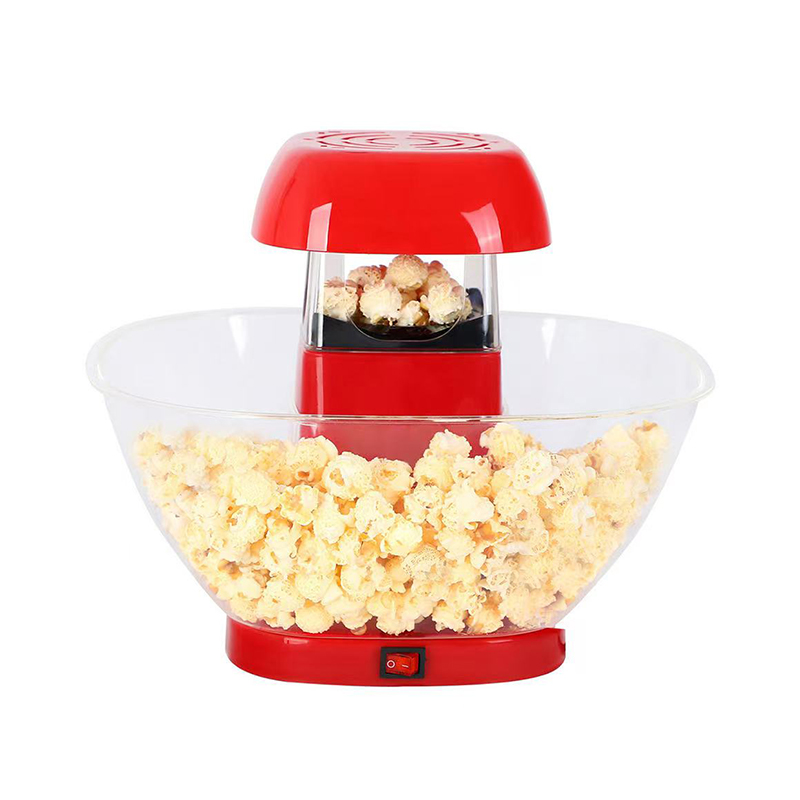
لقد أحضرت للتو إلى المنزل آلة صنع الفشار الهوائي وأصبحت جاهزًا لطبق من الفشار الخفيف الرقيق والخالي من الزيت. على عكس المواقد التقليدية أو الآلات التي تعتمد على الزيت، تستخدم أداة الهواء بوبر الهواء الساخن المنتشر لفرقع الحبات دون إضافة زيت، مما يجعلها خيارًا أكثر صحة لمشاهدة الأفلام أو تناول الوجبات الخفيفة اليومية. العملية واضحة ومباشرة، ولكن هناك بعض الخطوات الأساسية التي تفصل الفشار المثالي عن مجموعة الحبوب المحروقة أو غير المفرقعة. إليك بالضبط ما تحتاج إلى معرفته للحصول على أفضل النتائج في كل مرة. ماكينة صنع الفشار بالهواء الساخن بدون زيت PM-1208 تستخدم أداة الضغط الهوائي بقوة 1200 واط الهواء الساخن المنتشر للحصول على فشار صحي وخالي من الزيت في دقائق. مع شهادات CE/ROHS/LFGB وطلاء غير لاصق، فهو مثالي للمنزل أو التجمعات الصغيرة قبل أن تبدأ جلسة التفرقع. عرض المنتج → البدء: ما تحتاجه قبل أن تفرقع، اجمع معداتك ومكوناتك. تشتمل آلة صنع الفشار الهوائي عادةً على قاعدة تسخين، وغرفة فرقعة، ووعاء تجميع. بعض النماذج مثل تصاميم قابلة للتخصيص متاحة من الشركات المصنعة ، تتميز بغرف شفافة حتى تتمكن من مشاهدة الحبوب وهي تنفجر. سوف تحتاج إلى: حبات الفشار - الحبات الصفراء أو البيضاء القياسية تعمل بشكل أفضل؛ تجنب الأصناف المدهونة بالزبدة أو المنكهة مسبقًا لأنها يمكن أن تسد الجهاز. توابل اختيارية - الملح، الخميرة الغذائية، أو التوابل؛ أضف بعد الفرقعة لتجنب إتلاف الأسطح غير اللاصقة. وعاء كبير أو كوب القياس المتضمن في الماكينة لالتقاط الذرة المفرقعة. معظم آلات صنع الفشار الهوائي لا تحتاج إلى زيت. إذا كان الطراز الخاص بك يحتوي على عنصر تسخين يمكنه التعامل مع كمية صغيرة من الزبدة المذابة، فتحقق من الدليل أولاً. بخلاف ذلك، حافظ على الحبوب جافة. إرشادات خطوة بخطوة لاستخدام آلة الفشار الهوائية الخطوة 1: تحضير الآلة ضع الجهاز على سطح مستو ومقاوم للحرارة. قم بتوصيله واتركه يسخن لمدة 1-2 دقيقة (تشير بعض الطرز إلى الاستعداد باستخدام ضوء). قم بقياس الحبات: تستخدم الدفعة النموذجية 1/4 إلى 1/2 كوب. يمكن أن يؤدي الإفراط في التعبئة إلى حدوث فرقعة غير متساوية وسد المزلق. الخطوة 2: إضافة النواة افتح حجرة التفرقع واسكب الحبوب فيها. لا تضف الزيت أو الزبدة أو الملح في هذه المرحلة - فهي إما ستحترق على عنصر التسخين أو تمنع دوران الهواء بشكل صحيح. أغلق الغطاء بشكل آمن. تحتوي بعض المفرقعات الهوائية على صينية مدمجة لإذابة الزبدة، لكن استخدمها فقط بعد فقع الحبات بالكامل. الخطوة 3: ابدأ بالظهور قم بتشغيل الجهاز (عادةً ما يكون ذلك بمفتاح بسيط). سوف ينتشر الهواء الساخن بسرعة، وستبدأ الحبات في الفرقعة خلال 1-3 دقائق. استمع إلى أصوات الفرقعة التي تتباطأ لمدة 2-3 ثوانٍ بين الفرقعات - وهذا هو إشارة إيقاف تشغيل الجهاز. لا تترك الآلة دون مراقبة، لأن الفشار يمكن أن يحترق بسرعة بمجرد فرقع جميع الحبات. الخطوة 4: جمع وتتبل بمجرد توقف الفرقعة، اسكب الفشار في وعاء كبير. إذا كان جهازك يحتوي على صينية زبدة، يمكنك إذابة الزبدة بشكل منفصل ورشها فوق الفشار بينما لا يزال دافئًا. يتبل بالملح أو التوابل الأخرى حسب الرغبة. قدميه على الفور للحصول على أفضل ملمس - يميل الفشار المفرقعة بالهواء إلى أن يصبح طريًا إذا تم تركه خارجًا. نصائح للحصول على نتائج مثالية حتى مع وجود عملية واضحة، يمكن للتعديلات الصغيرة أن تحدث فرقًا كبيرًا. بناءً على تعليقات المستخدمين المنزليين وأبحاث الصناعة الاختلافات بين الهواء الساخن وصانعي الفشار الزيتي ، إليك نصائح عملية لتجنب الأخطاء الشائعة: استخدم حبات طازجة . ستنتج الحبات القديمة أو المجففة المزيد من "الخادمات المسنات" غير المفرقعات. قم بتخزين الحبوب في حاوية محكمة الإغلاق في مكان بارد ومظلم. لا الاكتظاظ . التزم بحجم النواة الموصى به؛ يؤدي استخدام عدد كبير جدًا إلى تراكم البخار وتقليل تدفق الهواء، مما يؤدي إلى ظهور فرقعات أصغر. تسخين باستمرار . تبدأ الآلة الباردة في الظهور بشكل غير متساو. قم دائمًا بالتسخين المسبق لمدة 30 ثانية على الأقل بعد توصيله. شاهد الصوت . المؤشر الأكثر موثوقية هو إيقاع الفرقعة. بمجرد أن يتجاوز الفاصل الزمني ثانيتين، قم بإيقاف تشغيل الجهاز حتى إذا ظلت بعض النوى غير منفتحة. تجنب الطبقة عالية الرطوبة . إضافة الزبدة قبل الفرقعة يؤدي إلى انسداد عنصر التسخين؛ إضافته بعد ذلك جيد باعتدال. التنظيف والصيانة تظل آلة صنع الفشار الهوائي أكثر نظافة من الآلات التي تعتمد على الزيت، ولكن الصيانة الدورية تضمن استمرارها لسنوات. بعد كل استخدام، افصل الجهاز واتركه يبرد تمامًا. قم بإزالة حجرة الفرقعة والوعاء - معظمها آمن للغسل في غسالة الأطباق (راجع الدليل الخاص بك). امسح قاعدة التسخين بقطعة قماش مبللة. لا تغمره في الماء أبدًا. للتخلص من البقايا العنيدة، استخدم فرشاة ناعمة أو قطعة قماش جافة لإزالة غبار النواة من فتحات سحب الهواء. قم بفحص الجهاز بشكل دوري بحثًا عن أي تراكم على عنصر التسخين. إذا لاحظت وجود رائحة محروقة، قم بتنظيفها على الفور. قم بتخزين الجهاز في مكان جاف مع فتح الغطاء لمنع احتجاز الرطوبة. سيؤدي اتباع هذه الخطوات إلى الحفاظ على أداء جهاز ضغط الهواء الخاص بك بشكل موثوق لمئات الدفعات. يستغرق استخدام آلة الفشار الهوائية أقل من خمس دقائق من البداية إلى النهاية. المفتاح هو اتباع الترتيب: تسخين مسبق، إضافة حبات جافة، فرقعة حتى يتباطأ الصوت، ثم تتبل. لا حاجة للزيت، مما يعني سعرات حرارية أقل وتنظيفًا أسهل. سواء كنت تقوم بإعداد وجبة خفيفة صحية لنفسك أو لمجموعة من الأفلام لليلة عائلية، فإن جهاز بوبر الهواء يقدم فشارًا متماسكًا ورقيقًا. .article-section table{display: table!important;}.article-section caption{caption-side:bottom;font-size:16px;margin-bottom:12px;font-style:italic;color:#808080;}.article-section thead{display: table-header-group!important;}.article-section tbody{display: table-row-group!important;}.article-section tr{display: table-row!important;}.article-section th{display: table-cell!important;font-weight:bold;border:1px solid #cccccc;padding:8px;}.article-section td{display: table-cell!important;border:1px solid #cccccc;padding:8px;text-align: center;}.article-section ol{margin-bottom:12px;list-style-type:decimal;list-style-position:inside;padding-left:0;}.article-section ul{margin-bottom:12px;list-style-type:disc;list-style-position:inside;}.article-section li{list-style:inherit;font-size:16px;margin-bottom:6px;}.article-section h2{font-size:22px;font-weight:bold;text-align:left;margin-bottom:12px!important;}.article-section h3{font-size:16px;font-weight:bold;text-align:left;margin-bottom:12px;}.article-section p{font-size:16px!important;margin-bottom:12px;} .product-card{display:block;margin:20px 0;border:1px solid #e5e7eb;border-radius:10px;overflow:hidden;font-style:normal;background:#fff}.pc-inner{display:flex;text-decoration:none;color:inherit;align-items:center;min-height:120px}.pc-img{width:160px;min-width:160px;aspect-ratio:4/3;height:auto;min-height:120px;object-fit:cover;flex-shrink:0;display:block;align-self:stretch}.pc-body{padding:12px 16px;flex:1;min-width:0;display:flex;flex-direction:column;align-self:stretch;justify-content:center}.pc-title{display:block;font-size:15px;font-weight:600;color:#111;margin:0 0 6px;line-height:1.4}.pc-desc{display:-webkit-box;font-size:13px;color:#6b7280;margin:0 0 8px;line-height:1.5;overflow:hidden;-webkit-line-clamp:2;line-clamp:2;-webkit-box-orient:vertical}.pc-cta{display:block;font-size:13px;font-weight:600;color:inherit;margin-top:auto}.pc-inner:hover .pc-title{text-decoration:underline} .article-section a:not(.pc-inner),article a:not(.pc-inner){color:inherit}.pc-cta{color:inherit!important}
عرض أكثر
+86-13777183399
+86-18058505336
رقم 16 طريق شينليانسن ، مدينة شينبو ، مدينة سيكسي ، مقاطعة تشجيانغ ، الصين