

 English
 中文简体
中文简体 عربى
عربى Español
+86-13777183399
+86-18058505336

كيف يعمل صانع الفشار؟ الدليل الشامل لأنواع آلات الفشار واختيارها
يعمل صانع الفشار عن طريق تسخين حبات الفشار حتى تتحول الكمية الصغيرة من الماء المحبوس داخل كل نواة إلى بخار، مما يؤدي إلى زيادة الضغط الداخلي حتى ينفجر الهيكل الخارجي الصلب للنواة ويتوسع الجزء الداخلي النشوي إلى الشكل الرقيق المألوف. يحدث هذا عند درجة حرارة محددة إلى حد ما - تنفجر الحبات بشكل موثوق بمجرد وصولها تقريبًا 356 درجة فهرنهايت (180 درجة مئوية) داخليًا - وهذا هو السبب في أن الحرارة المتسقة والمتحكم فيها هي العامل الوحيد الأكثر أهمية الذي يفصل بين الآلة التي تنتج الفشار الرقيق والآلة التي تحرق الحبات أو تترك الكثير منها دون فرقعة.
تشرح هذه المقالة الأساس العلمي وراء الفرقعة وطرق التسخين المختلفة المستخدمة آلة الفشار الأنواع، وكيفية اختيار النوع المناسب، وعادات الصيانة التي تحافظ على أداء الجهاز جيدًا بمرور الوقت.
العلم وراء كيفية ظهور النواة
تحتوي كل نواة من الفشار على كمية صغيرة من الماء، عادة ما تكون حولها 13-14% رطوبة بالوزن ، مختومة داخل هيكل خارجي صلب وغير منفذ في الغالب. ومع تطبيق الحرارة، تسخن المياه الداخلية وتتحول في النهاية إلى بخار. ونظرًا لأن الهيكل لا يسمح للبخار بالخروج تدريجيًا، فإن الضغط يتزايد بسرعة داخل النواة.
بمجرد وصول الضغط الداخلي تقريبًا 135 رطل لكل بوصة مربعة ، ينفجر الهيكل بشكل انفجاري، ويتوسع النشا المضغوط بالداخل إلى الخارج على الفور، ويتحول من الداخل إلى الخارج عندما يبرد ويتصلب في شكل الفشار المألوف. يحدث هذا التحول بأكمله في جزء من الثانية، ولهذا السبب تظهر أصوات فرقعة مفاجئة على الرغم من تسخين النواة تدريجيًا لمدة دقيقة أو أكثر مسبقًا.
كيف توفر آلات الفشار تلك الحرارة
في حين أن الفيزياء الأساسية للفرقعة هي نفسها في جميع الآلات، فإن آلات الفشار تستخدم طرقًا مختلفة لتوصيل الحرارة إلى الحبات، مع مقايضات في السرعة والنكهة والراحة.
ماكينات غلايات الزيت الساخن
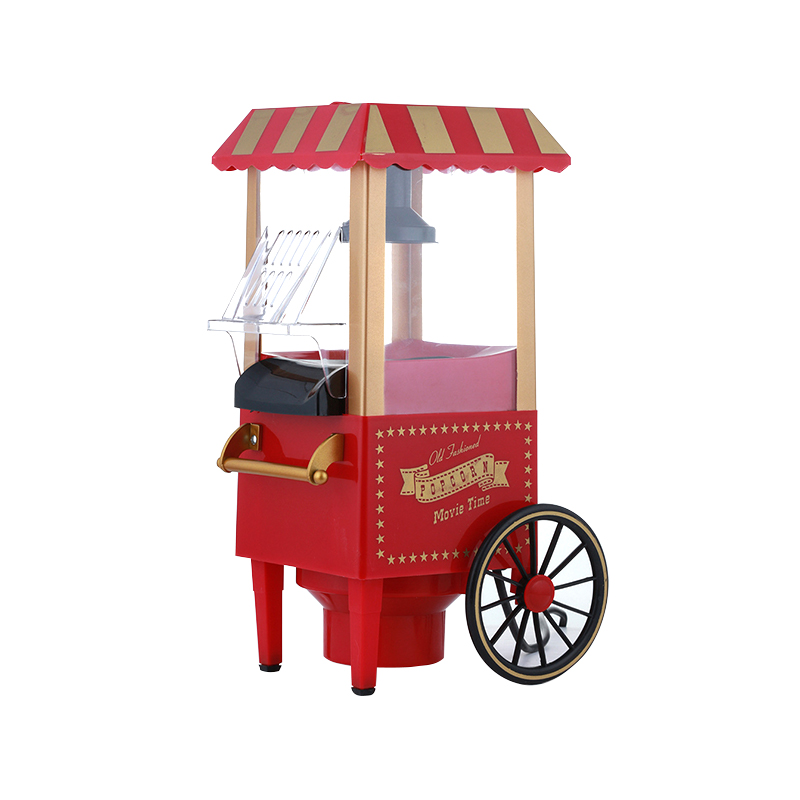
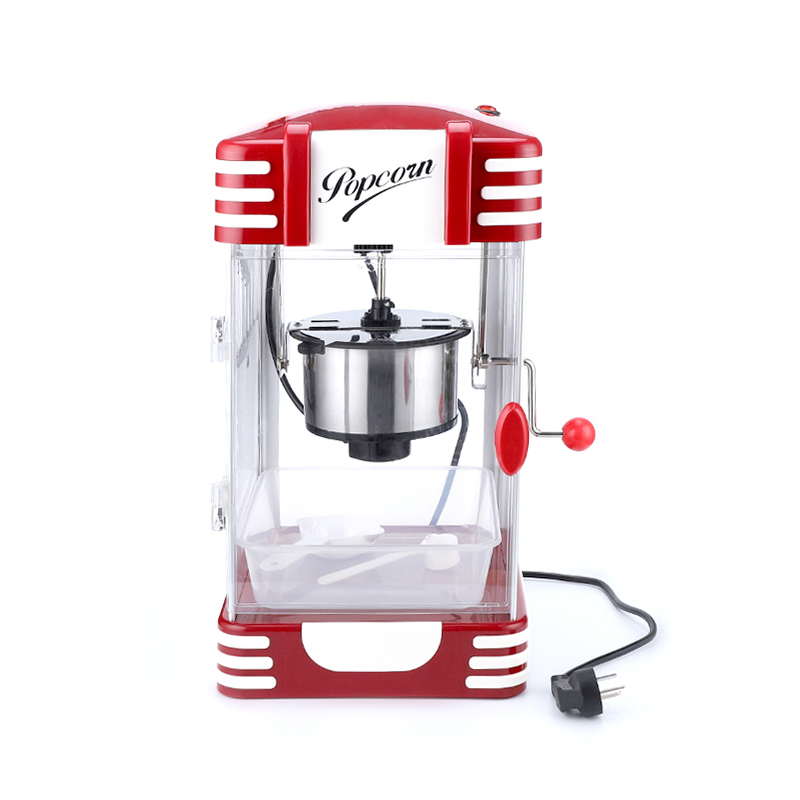
تستخدم هذه الآلات، الشائعة في دور السينما والآلات ذات طراز الكرنفال، غلاية معدنية ساخنة مملوءة بالزيت، والتي تنقل الحرارة إلى الحبات بسرعة وبشكل متساوٍ. يقوم مجداف التحريك المدمج بتحريك الحبات بشكل مستمر لمنع احتراقها، ويضيف الزيت أيضًا نكهة ولمسة نهائية لامعة يربطها العديد من الأشخاص بالفشار على طراز المسرح.
بوبرس الهواء الساخن
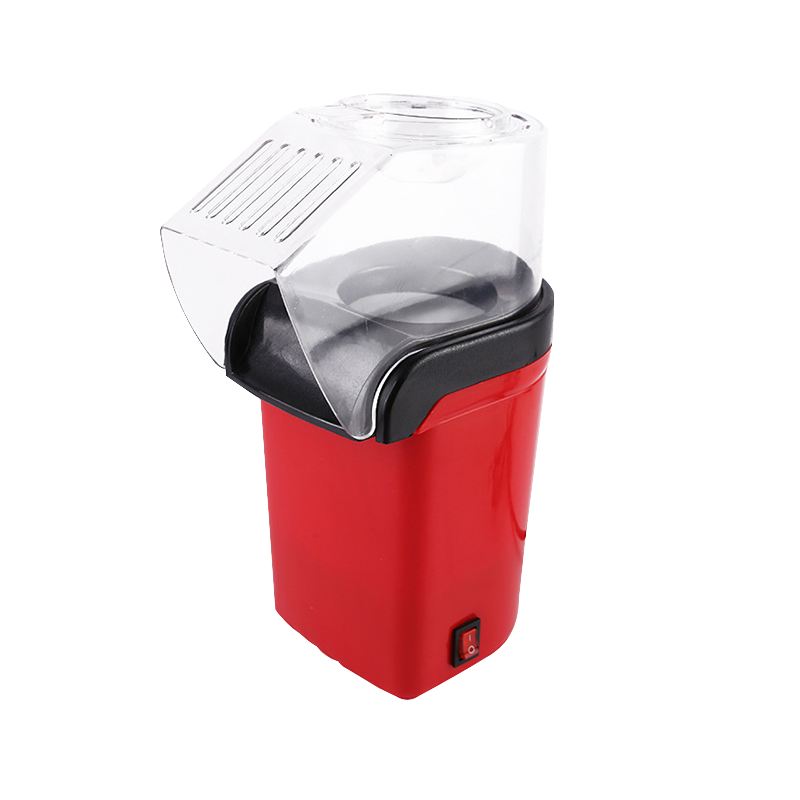
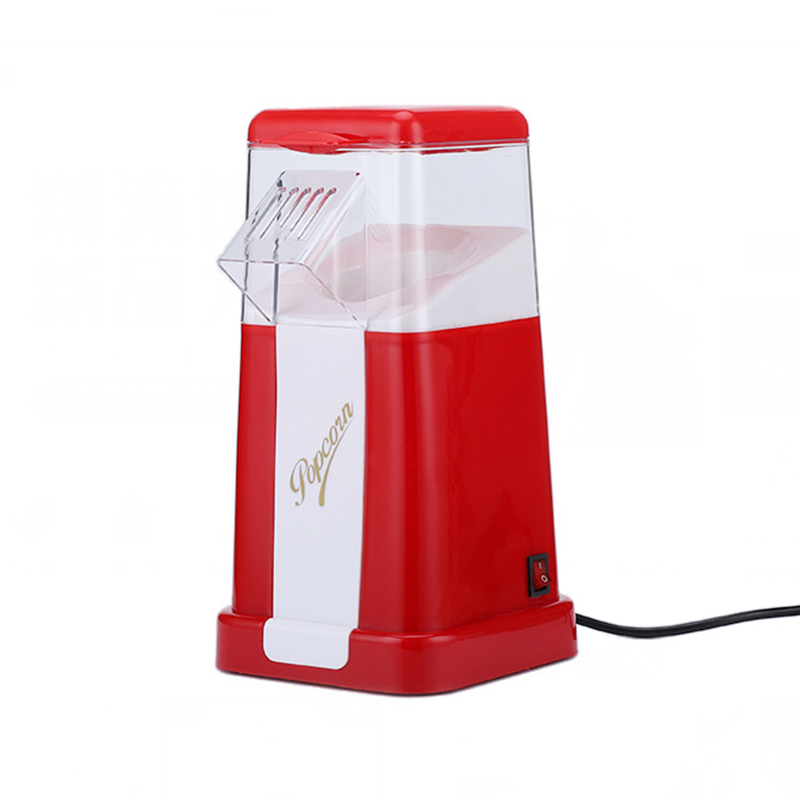
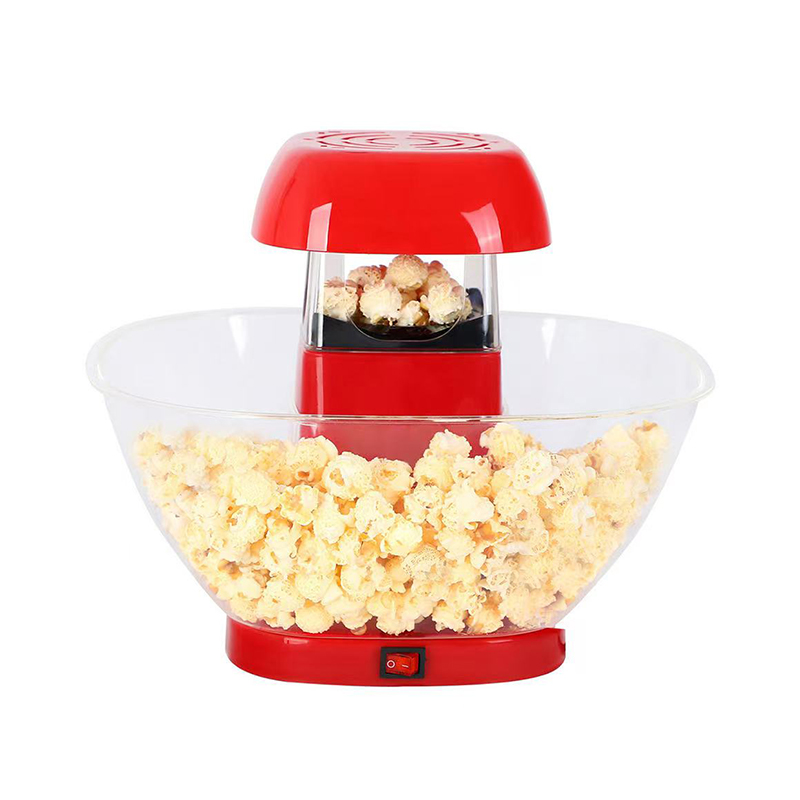
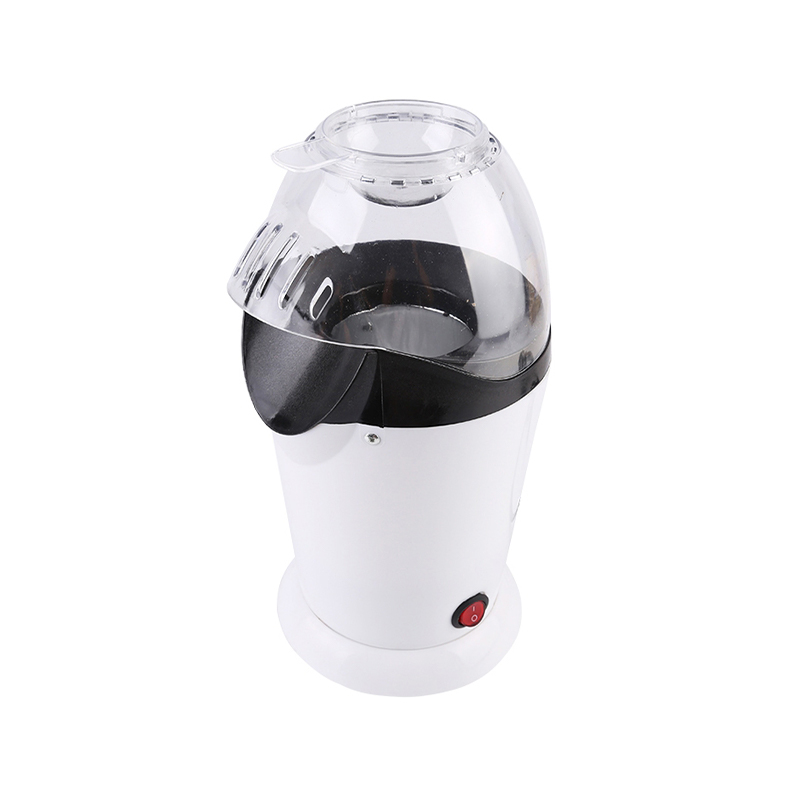
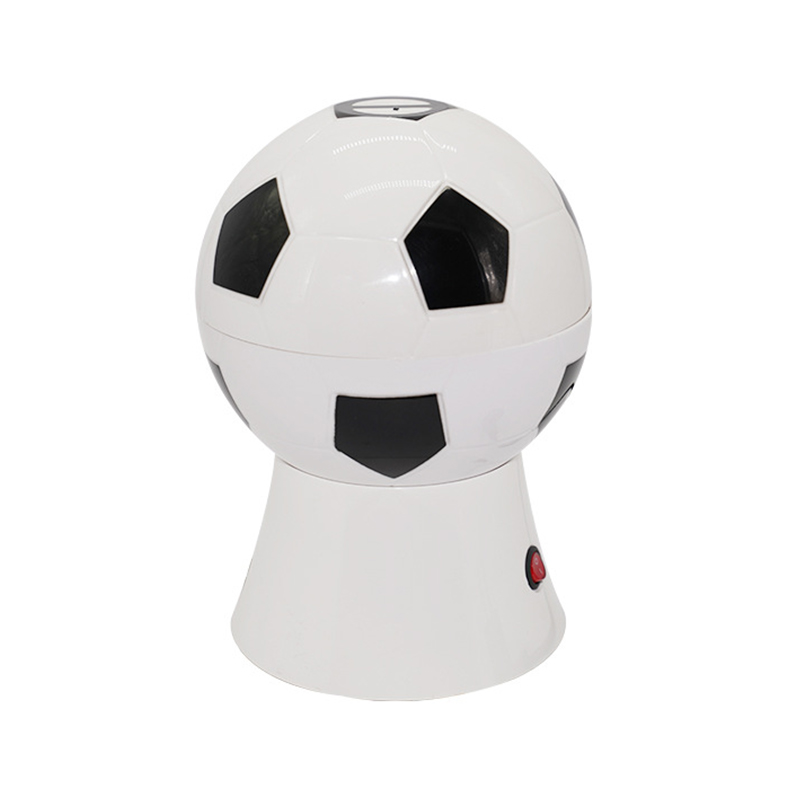
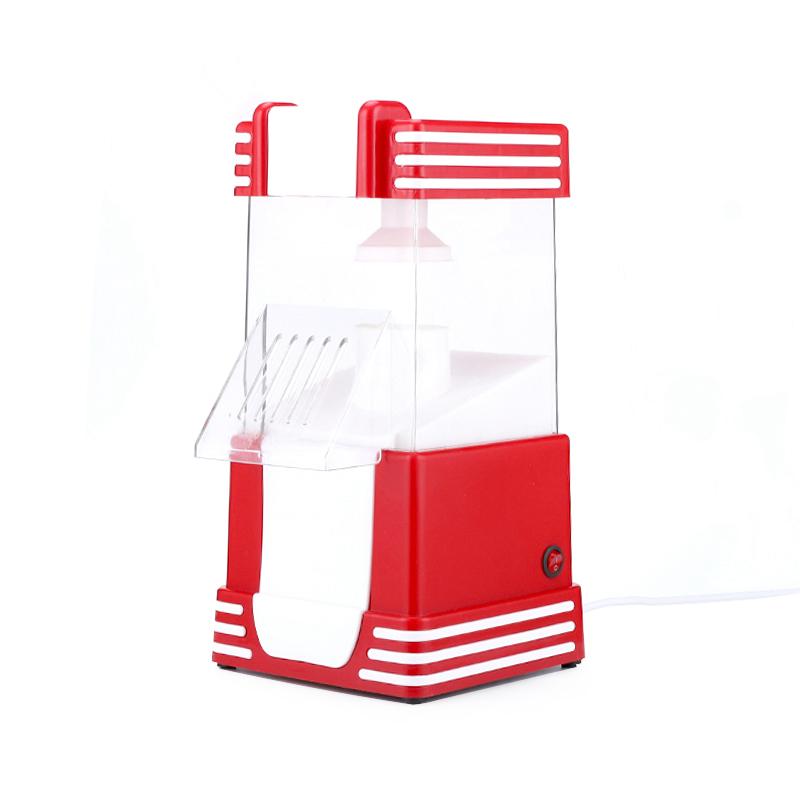
تستخدم هذه الآلات عنصر تسخين مقترنًا بمروحة تعمل على تدوير الهواء الساخن حول الحبات، وتفرقعها دون إضافة أي زيت. إنها تنتج نتيجة قليلة الدهون وتحظى بشعبية كبيرة في وحدات كونترتوب المنزل، على الرغم من أن العديد من المستخدمين يضيفون الزبدة أو الزيت بعد فرقعتها لاستعادة النكهة ومساعدة التوابل على الالتصاق بالفشار.
فشار الميكروويف
بدلاً من استخدام آلة مخصصة، يعتمد الفشار الميكروويف على إشعاع الميكروويف لإثارة جزيئات الماء مباشرة داخل كل نواة. تعمل أيضًا وسادة امتصاص معدنية مدمجة في الكيس على امتصاص طاقة الميكروويف وتحولها إلى حرارة مباشرة، مما يساعد الحبوب الموجودة بالقرب من الجزء السفلي من الكيس على الانفجار بشكل متساوٍ.
مقارنة أنواع آلات الفشار
| اكتب | طريقة التدفئة | وقت البوب النموذجي | أفضل ل |
|---|---|---|---|
| غلاية الزيت الساخن | مضرب التقليب بالزيت الساخن | 2-3 دقائق | نكهة المسرح والحفلات |
| الهواء الساخن بوبر | دوران الهواء الساخن | 3-4 دقائق | تناول وجبات خفيفة منزلية قليلة الدهون |
| غلاية الموقد | زيت تسخين مباشر على الموقد | 3-5 دقائق | لا حاجة لآلة مخصصة |
| حقيبة الميكروويف | وسادة حساسة لإشعاع الميكروويف | 2-4 دقائق | الراحة، حصص واحدة |
لماذا لا تنفجر بعض النوى؟
تعتبر الحبات غير المفرقعة، والتي تسمى غالبًا "الخادمات القدامى"، مصدرًا للإحباط الشائع ولكن عادةً ما يكون لها سبب محدد يمكن إصلاحه. تظهر الدراسات التي أجريت على كفاءة البوب ذلك محتوى الرطوبة الأمثل للفرقعة هو حوالي 13.5% - الحبات الجافة جدًا تفتقر إلى ما يكفي من الماء الداخلي لبناء ضغط بخار كافٍ، في حين أن الحبات الرطبة جدًا يمكن أن تنفجر بشكل أقل انفجارًا أو تصبح مشبعة.
- تفقد الحبات المخزنة في حاوية مفتوحة الرطوبة بمرور الوقت، مما يقلل من معدل التفرقع
- يؤدي التوزيع غير المتساوي للحرارة في الماكينة إلى ترك بعض الحبوب تحت عتبة التفرقع
- تسمح الهياكل المتشققة أو التالفة للبخار بالهروب قبل أن يتراكم الضغط الكافي
- يؤدي اكتظاظ حجرة التفرقع إلى منع التلامس الحراري عبر جميع النوى
يؤدي تخزين الحبات غير المفرقعة في حاوية محكمة الإغلاق إلى الحفاظ على ثبات الرطوبة ويمكن أن يحسن معدل الفرقعة بشكل ملحوظ، نظرًا لأن الحبات الجافة هي أحد الأسباب الأكثر شيوعًا للدفعة المخيبة للآمال.
اختيار آلة الفشار المناسبة
يأتي اختيار الجهاز لمطابقة التنسيق مع كيفية استخدامه:
- لتناول الوجبات الخفيفة في المنزل من حين لآخر، يوفر جهاز بوبر الهواء الساخن المدمج خيارًا قليل الدهون مع الحد الأدنى من التنظيف
- للحفلات أو الترفيه، توفر آلة غلاية الزيت الساخن المنضدية نكهة على طراز المسرح وأحجام دفعات أكبر
- للاستخدام التجاري أو بكميات كبيرة، مثل منصات الامتياز، تتعامل آلة غلاية أكبر مع محرك بقدرة كهربائية أعلى وآلية تحريك مع الدفعات المستمرة بشكل أكثر موثوقية
- للحصول على الحد الأدنى من التكلفة الأولية، لا يتطلب وعاء غلاية الموقد جهازًا مخصصًا على الإطلاق
تستحق سعة الغلاية التحقق من كثب - فمعظم آلات الغلايات المنزلية مصنفة على أنها تنفجر 4 إلى 8 أوقية من الحبوب لكل دفعة ، تنتج ما يقرب من 16 إلى 32 كوبًا من الفشار المفرقع، بينما يتجاوز حجم الوحدات التجارية ذلك بكثير للخدمة المستمرة.
نصائح التنظيف والصيانة
يحافظ التنظيف المنتظم على ظهور آلة الفشار بكفاءة ويمنع تراكم الزيت المحترق الذي يمكن أن يؤثر على النكهة بمرور الوقت.
- امسح الغلاية أو حجرة الفرقعة بعد كل استخدام بينما لا تزال دافئة قليلاً، عندما يكون من الأسهل إزالة البقايا
- تجنب غمر المكونات الكهربائية في الماء؛ قم بتنظيف الغلايات القابلة للإزالة بشكل منفصل عن الوحدة الأساسية
- خزانات النفط الفارغة والنظيفة بانتظام لمنع تراكم الزنخ الذي يؤثر على الدفعات المستقبلية
- افحص مجاذيف التحريك والمحركات بشكل دوري بحثًا عن بقايا النواة التي يمكن أن تؤدي إلى تشويش الآلية
- قم بتخزين الحبوب في حاوية باردة محكمة الإغلاق بعيدًا عن أشعة الشمس المباشرة للحفاظ على محتوى الرطوبة
الاستنتاج
تعمل آلة الفشار من خلال تطبيق حرارة متسقة حتى يجبرها ضغط البخار داخل كل نواة على الانفجار، والطريقة المحددة التي تستخدمها الآلة لتوصيل تلك الحرارة - الزيت الساخن، أو الهواء الساخن، أو طاقة الميكروويف - تحدد الملمس والنكهة ومحتوى الدهون في النتيجة النهائية. إن اختيار الآلة التي تتوافق مع حجم الدفعة النموذجية والنكهة المفضلة لديك، مقترنة بتخزين النواة المناسب والتنظيف المنتظم، هو ما ينتج عنه دائمًا فشار رقيق ومفقوق بالتساوي بدلاً من وعاء مليء بالحبات غير المفرقعة.
المنتجات ذات الصلة
-
-
-
رقم 16 طريق شينليانسن ، مدينة شينبو ، مدينة سيكسي ، مقاطعة تشجيانغ ، الصين
